
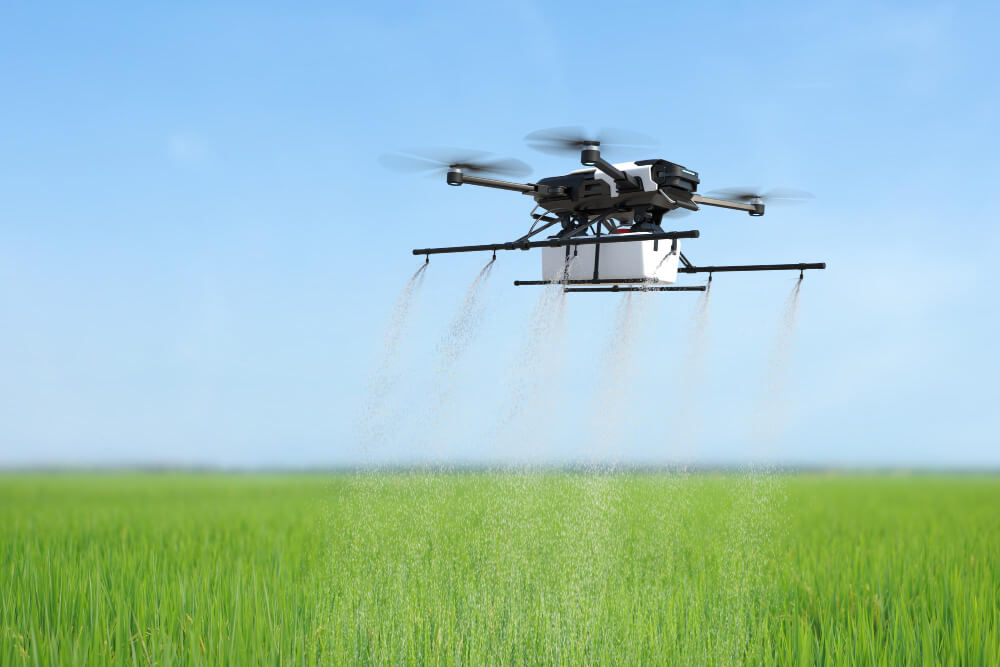
Farming across Western Australia is becoming increasingly unpredictable, with hotter summers, lower rainfall, and tightening water restrictions putting real pressure on growers. In regions like the Wheatbelt and outer Perth metro, efficient water use is no longer a luxury – it’s essential.
This is where automated irrigation systems are changing the game. By using smart controls, sensors, and scheduling technology, farmers can manage water use with far greater precision. Below are five reasons why more WA farmers and rural property owners are investing in automated irrigation as part of a climate-resilient farming system.
1) Better water use, for every crop
Automated irrigation systems deliver water exactly when and where it’s needed. Unlike traditional timers or manual methods, these systems use sensors to monitor soil moisture, crop requirements, and even local weather data.
That means no more guessing – just consistent watering tuned to your paddock’s actual needs. Whether you’re managing broadacre crops in the Wheatbelt or smaller horticultural operations near Perth, this level of accuracy saves both time and water.
When rain arrives late or heat strips moisture from the topsoil, the system adjusts without waiting for a roster change. This steady, data-led approach cuts waste in mild seasons and helps protect yield in tough ones. It is one of the main reasons many growers are moving to automatic irrigation systems and upgrading through trusted irrigation suppliers Perth WA to improve long-term water efficiency.
2) Stronger resilience to variable allocations
The Murray–Darling Basin is among the most variable climate regions in the world, and that variability shows up in water allocations and delivery rules. As climate pressure grows, water planning is placing even more weight on efficiency and timing. Farms that can measure, schedule and verify their use day by day are better placed to comply with rules and still meet crop demand.
Automation also improves transparency. Logs from sensors and controllers provide a record of when, where and how much water was applied. That record helps with audits, benchmarking and future planning when allocations tighten. Reliable tools from agricultural irrigation supplies Perth are making this precision easier to achieve across all crop types.
3) Lower running costs and smarter energy use
Water savings are only part of the story. Pumping is a major cost, especially for pressurised systems. Work on the Robinvale high-pressure piped network in Victoria shows that improving pump set-points with a calibrated hydraulic model can reduce energy use while keeping service levels. Even a few percentage points off the power bill make a difference across a season.
On farm, similar logic applies. Matching pressure and run time to the actual flow demand avoids over-pumping and reduces wear on gear. Automation helps by coordinating start-ups, staggering zones and alerting operators when a leak or clog pushes pressures out of range. Over time, those small corrections add up. For larger enterprises, investing in commercial irrigation supplies and efficient sprinkler systems Perth helps lower both water and energy costs.
4) Day-to-day decisions improve with reliable data
Good decisions come from good data. Soil probes, local weather stations and satellite-supported maps now feed controllers with timely information about moisture and evaporative demand. Australian teams have demonstrated real-time mapping and decision tools that combine ground sensors with weather and soil data to guide irrigation at high resolution. Even when a sensor fails, quality checks and modelled “virtual sensors” can keep the schedule on track until maintenance is done.
This approach reduces the need for constant manual checks while keeping the operator in control. Alerts call attention to exceptions: a stuck valve, a pressure drop, a hot, windy afternoon that pulls moisture faster than expected. People make the final call, but the system does the heavy lifting of monitoring and suggesting the next move. Homeowners can apply similar logic with residential irrigation systems to keep lawns, gardens and small orchards healthy without wasting water.
5) Environmental care that stands up to scrutiny
With reducing rainfall and declining streamflow at many sites, protecting soils and waterways matters more than ever. Precise application reduces runoff, limits deep drainage and lowers the risk of salt moving toward the surface. Over a district, these gains support environmental water objectives and help keep systems within their caps. The end result is a farming landscape that uses limited resources wisely and leaves fewer problems downstream.
Automation also supports adaptive management. Because each event is recorded, growers can review performance after heatwaves or storms, adjust rules and improve the next cycle. That continuous improvement is essential in a climate that is changing, not just cycling.
The takeaway for Australian farms
Rainfall and streamflow trends point to tighter water budgets in many regions, and heavy downpours when they occur can be less useful to plants than steady falls. Farms that measure, schedule and verify irrigation will ride these swings with less stress, using water and energy where they pay. That is why automation is moving from a niche upgrade to a standard feature on modern Australian properties. If you are weighing your options, start with a pilot block, prove the value, then scale across the enterprise. Keep the records, back up the data and review settings after each season. Small, steady improvements are the path to robust, climate-ready irrigation — and partnering with experienced irrigation suppliers in Perth WA ensures access to reliable agricultural irrigation supplies Perth for every system upgrade.
Leave a Reply
You must be logged in to post a comment