

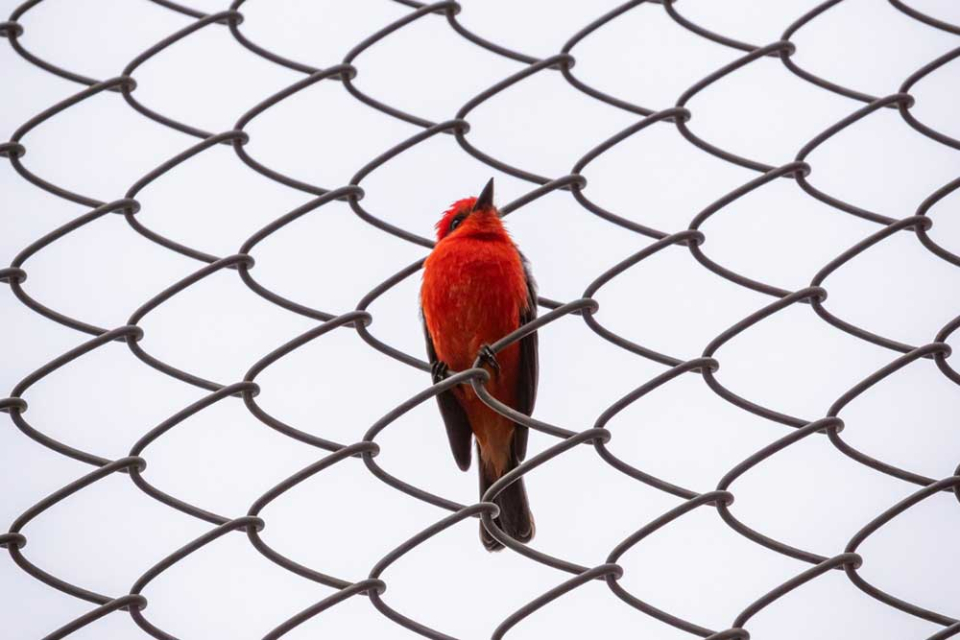
Birds bring life to paddocks and orchards, but they can be tough on irrigation systems, water storage and ripening fruit. Droppings contaminate tanks and work areas, clog filters, and spread disease. Pecking damages seedlings and soft fruit. The right deterrent should keep birds out without harming them, protect infrastructure, and deliver value across multiple seasons. Below, we compare bird netting, spikes, and reflective tape,so you can choose the best fit for your property.
Bird Netting: The Strongest Shield in Farming Operations
Netting is a physical barrier: it blocks access to fruit, pump heads and tank roofs rather than trying to frighten birds away. On mixed farms, fruit tree netting is widely used because it allows light and rain through while shutting out beaks and claws. For larger setups, growers often purchase bird netting bulk rolls to cover vineyards, tunnel houses or dam edges efficiently.
UV-stabilised strands handle sun and wind for multiple seasons when properly tensioned and supported on cables or hoops. This structure offers more than bird protection: it cushions hail, reduces wind rub, and creates a slightly cooler micro-climate that helps irrigation efficiency on hot days.
Bird netting or fruit fly netting needs proper installation. Poorly anchored mesh can sag, opening gaps; loose edges may trap wildlife. Build in regular inspections, keep edges taut, and finish with sturdy clips or lacing to maintain coverage.
If you need help sourcing materials or installation advice, many growers simply search “bird netting near me” and speak with a local supplier who understands regional conditions.
Spikes: A Practical Layer on Ledges and Equipment
Spikes stop perching on narrow surfaces – think tank rims, pipe supports, signposts, and shed ledges. They don’t injure birds; they just make landing uncomfortable. That makes them handy where you can’t realistically span netting. Maintenance is straightforward, and good stainless or poly bases tolerate weather.
Still, they have their limits. Debris can build up between the prongs, smaller birds sometimes nest in wide arrays, and spikes won’t protect open crop zones. They work best as a targeted add-on that complements netting, not as a standalone solution for broad agricultural areas.
Reflective Tape: A Short-Term Visual Deterrent
Reflective tape relies on flash and movement. Strips rustle in the breeze and throw light, which unsettles flocks for a time. It’s quick to deploy across headlands, near handling areas, or along fence lines during harvest.
The trade-off is familiarity: birds habituate to static visuals. That’s why tape works best for short peak periods or as part of a rotating toolkit, not as a sole defence. Pair it with more permanent measures so protection doesn’t collapse as birds adapt.
Here’s Why Bird Netting Stands Above the Rest
- Full exclusion: Netting blocks access completely – birds can’t land, peck, or nest where mesh covers the target. As many growers put it, netting blocks access better than any scare tactic.
- Higher effectiveness: Independent trials and scientific studies consistently place exclusion at the top for fruit and crop protection.
- Long-term durability: With UV-resistant materials and solid support, a well-installed canopy works across multiple seasons.
- Added crop benefits: Beyond bird pressure, a covered canopy can temper wind and hail for gentler growing conditions.
- Humane by design: When fitted correctly, netting protects produce while safeguarding wildlife.
Applying Deterrents to Farm Irrigation Systems
For irrigation, think in layers. Use outdoor bird netting to cover high-value areas including ponds, water tanks, pump bays, and vulnerable rows near infrastructure. Keep spans tight so there’s no sag for birds to push through. Add spikes on narrow beams, lights, and control boxes where perching leads to mess and corrosion.
Deploy tape along approach routes or work zones during peak risk windows (pre-harvest, post-irrigation flushes) to add motion and disruption. Start early in the season so birds don’t establish routines. If you’re scaling up quickly, “bird netting bulk” searches can help you price materials by the roll and compare mesh sizes for your target species.
Final Word
All three options have a place, but exclusion remains the backbone for farms guarding irrigation, storage, and ripening fruit. Use netting for the spaces that can’t be compromised, then stack spikes and tape where they add targeted value. If you’re pricing a full season plan, many shoppers look up bird netting Perth prices to benchmark materials and support. When the objective is clean water, healthy fruit, and fewer equipment blockages, a smart netting layout delivers the most reliable outcome.
Leave a Reply
You must be logged in to post a comment