
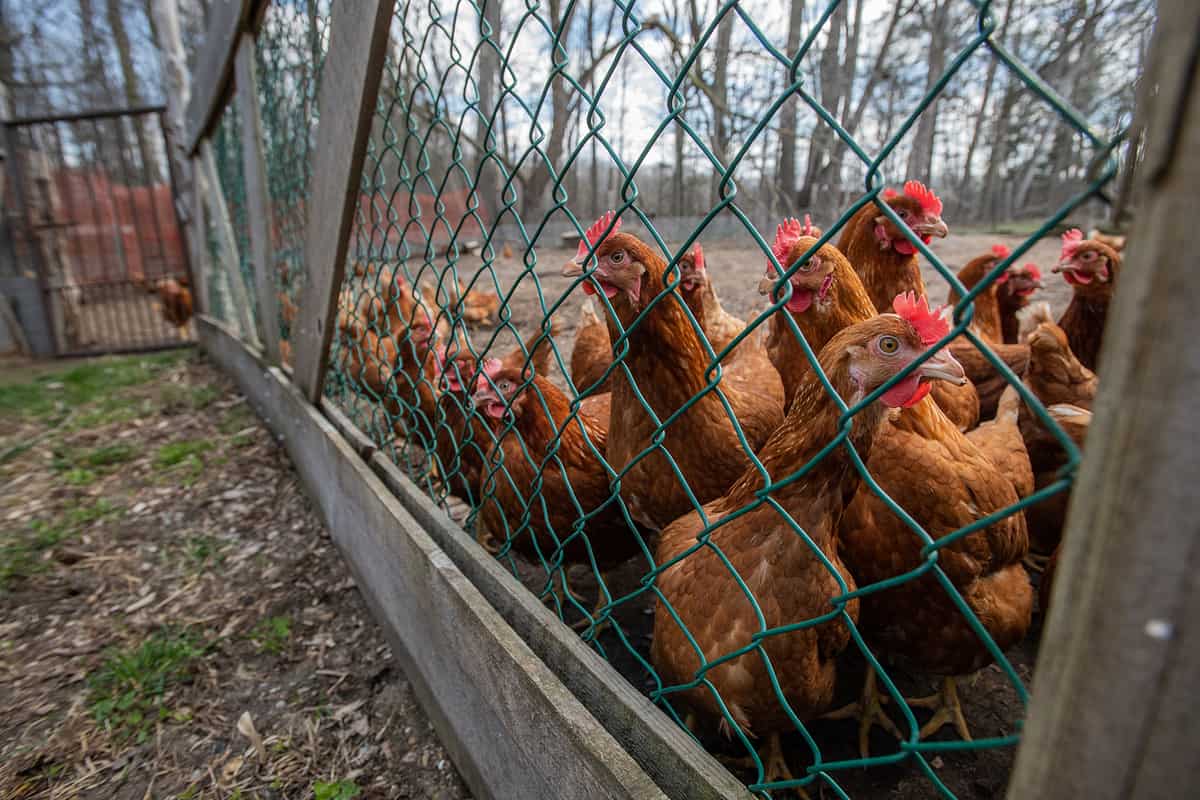
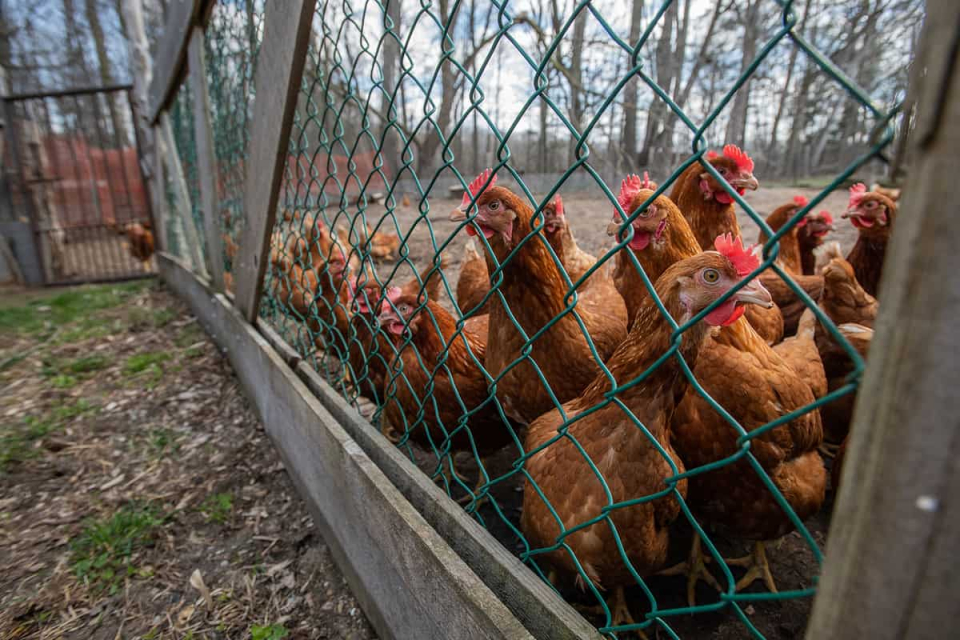
Australians have embraced backyard poultry for fresh eggs and a slice of rural life in the suburbs. Yet the 2025 H7N8 bird-flu detections near Euroa, Victoria, served as a pointed reminder that disease can arrive on the wing with little warning. Authorities ordered larger flocks to be housed at once, signalling a tougher line on biosecurity for all keepers — small or large.
Wild birds: the unseen visitors over every pen
Waterfowl and many migratory species carry avian influenza with few outward signs. They shed the virus in saliva, mucus and—most importantly for chook owners—droppings that fall onto yards, roofs and feed trays. Once dried, even a gust of wind can lift contaminated dust into a coop. For suburban and regional flocks that roam under the open sky, the risk is constant during migration seasons.
Government guidance points straight to exclusion netting
Federal and state agriculture departments now list “protective netting” as one of the first steps in keeping domestic birds apart from their wild counterparts. The advice is simple: keep feed and water under cover and put a physical barrier between poultry and overhead traffic.
How an overhead net changes the equation
Good mesh stops faecal matter and feathers before they land, limits perching spots for starlings and pigeons, and discourages raptors that might otherwise spook the flock. Studies of commercial sheds show that 19 mm to 25 mm mesh excludes most problem species without trapping them, provided it is tensioned and checked each season.
Backyard layouts differ, but the principle is the same: cover the run from gable-to-gable, angle the sides where practical, and make sure the net sits high enough for keepers to walk under comfortably. A light frame of conduit or timber battens usually does the job for up to six chooks.
Selecting the right fabric for Australian sun and wind
Netting sold for grapes or fruit tree netting is often rebadged for poultry. Look for UV-stabilised high-density polyethylene (HDPE) with knotted joins; it copes with Perth’s summer radiation far better than cheap monofilament products. A shade factor around 20 % adds welcome relief for birds on scorching afternoons while still allowing airflow.
The same fabric is widely marketed as Outdoor bird netting, which means it has already been tested against hail, cockatoos and coastal winds. That extra durability saves money over time, because a torn roof is no roof at all.
Installation pointers that pay off
- Height first – set ridge ropes no lower than 1.8 m so you can rake litter without stooping.
- Tension second – run a galvanised wire perimeter and cable-tie the mesh every 300 mm.
- Inspection schedule – walk the roof weekly; mend holes before sparrows find them.
- Feed hygiene – place feeders under cover and clear spilt grain each evening to avoid attracting wild birds.
Remember that netting works best alongside tidy yards. Long grass, puddles and uncovered compost heaps still lure waterfowl and ibises that can drop infected faeces near your birds.
Beyond disease control: hidden benefits
Shade from the Bird netting bulk mesh lowers heat stress, improves shell quality and keeps yolks vibrant through summer. The net also blocks aerial predators; goshawks and crows lose their attack routes and often move on within days. For keepers focused on sustainability, one fabric can protect both chooks and stone fruit, reducing the need for separate garden covers.
Finding supplies without the run-around
Type “bird netting near me” into your preferred search engine and you will notice local stockists pop up faster than ever. Demand from hobby farmers means even suburban hardware chains now carry suitable mesh, while specialist stores ship statewide within 48 hours. Country freight depots will hold consignments, so regional customers are not disadvantaged.
Customers comparing Bird netting perth prices should factor in UV grade, mesh weight and warranty rather than headline cost alone. A slightly dearer net that lasts seven summers is cheaper per year than a budget roll that splits after two.
A small roof with a big payoff
Chook ownership was once carefree; birds roamed lawns unimpeded. The arrival of virulent avian-flu strains has altered that picture. Overhead bird netting transforms an open run into a controlled environment that keeps wild faeces out, cools the ground and calms the flock. The investment is modest, the installation is weekend work, and the result is peace of mind every time migratory birds fly over. Rural living in the backyard was never meant to be stressful—tight mesh overhead helps keep it that way.
Leave a Reply
You must be logged in to post a comment