Mindblown: a blog about philosophy.
-

How to Keep Snakes and Mice Out of Your Poultry Enclosure for Good
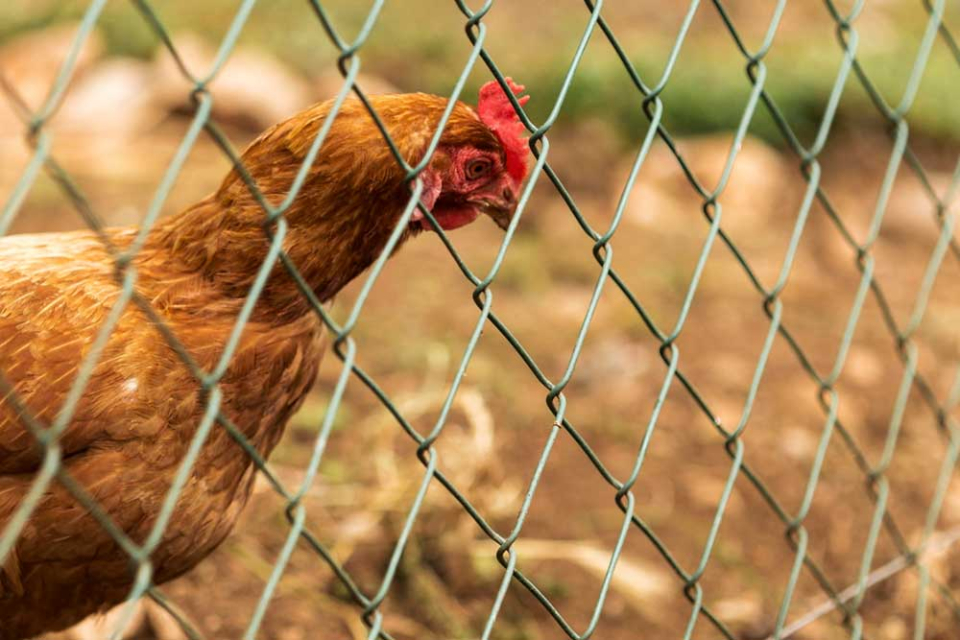
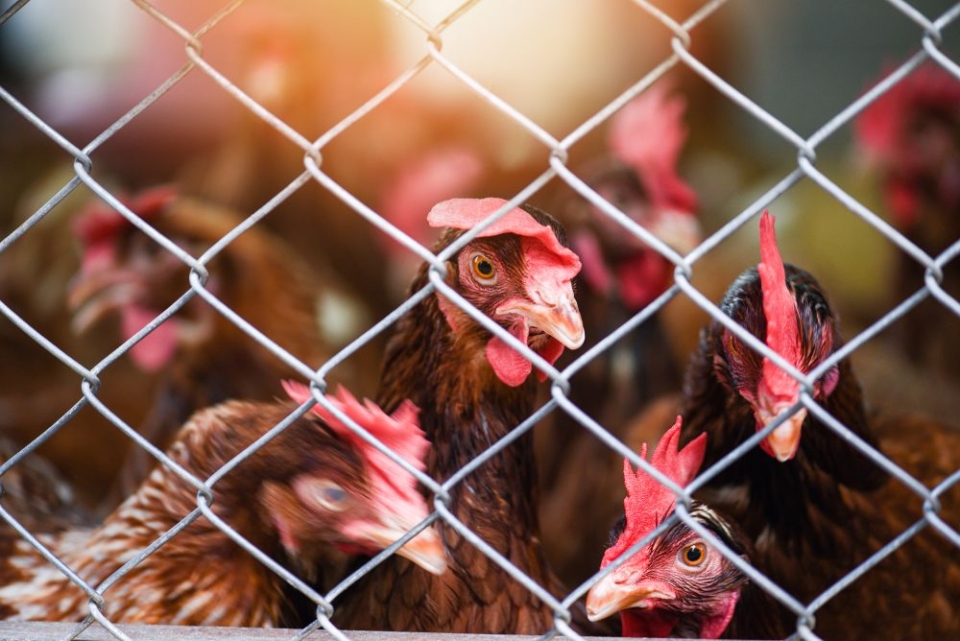
A secure poultry enclosure starts with the right barrier. For most backyard and small-scale keepers across WA, small aperture chicken netting gives better protection than wide mesh because it reduces the gaps pests use to get in. In local conditions, galvanised chicken netting products are often the practical choice, as they handle weather well, resist…
-

Rolls vs. Panels: Which Mesh Format is Right for Your Project?
Choosing the right mesh format is often the difference between a fence that suits the site and one that becomes harder to install than expected. If you are comparing welded mesh rolls vs. panels, the decision comes down to three things: the shape of the area, the finish required, and the amount of labour involved.…
-

Solar Farm Security: Why Weld Mesh is the Industry Standard for Renewable Energy Sites
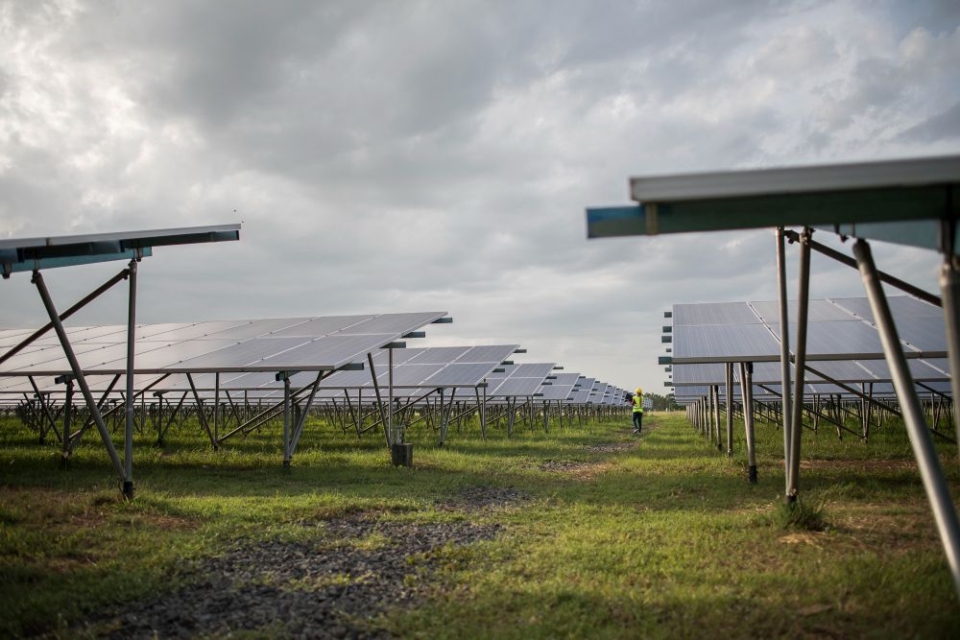
Large-scale solar sites need perimeter protection that is hard to climb, durable in exposed conditions and practical to maintain over long operating periods. In some cases, weld mesh meets that brief better than lighter rural fencing because it offers stronger panel rigidity, clearer boundary control, and better resistance to casual intrusion. A solar farm is…
-

Termites, Rot & Harsh Weather: How CCA Treated Pine Poles Stand Up to It All
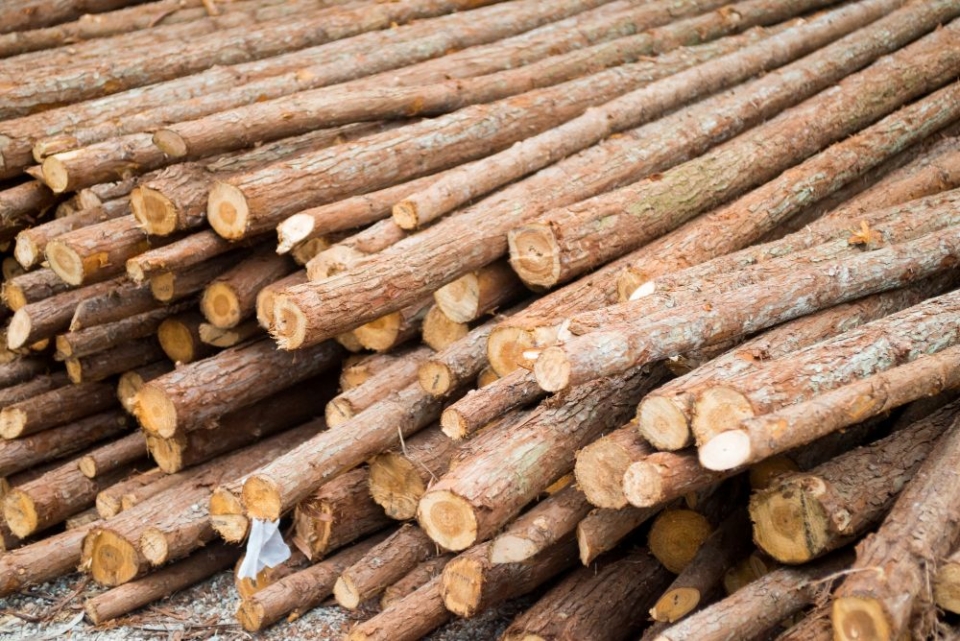
CCA treated pine poles are widely used because they are pressure-treated for in-ground outdoor service, where decay, insects and moisture are the main causes of early failure. In Perth, that matters even more: hot dry summers, wet winters, sandy soils and active termite pressure can damage untreated timber quickly. For many property owners, the question…
-

Sprinklers & Low-Flow Tech: The Future of Irrigation for the Australian Dry Spell
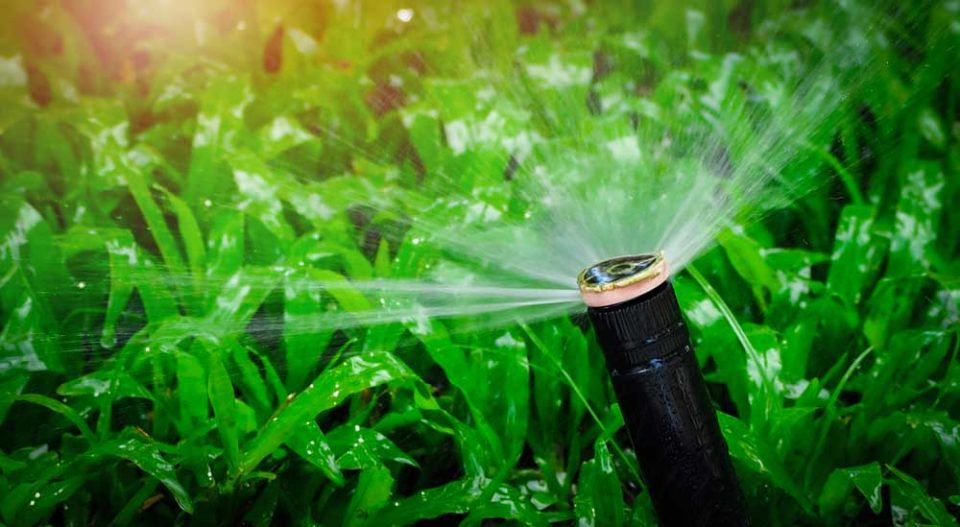
Dry spells in Australia rarely arrive as a single bad month. They build across seasons, and recovery in WA can be slower than the first green flush suggests. The Bureau of Meteorology notes that even after improved rainfall, deeper soil moisture, groundwater and streamflows often need sustained rain to recover, particularly across the south west…
-

Cut Water Waste, Not Crops: Why Farmers Are Choosing Advanced Drip Systems
Australian agriculture depends heavily on water, from vineyards in Margaret River to vegetable growers across the Swan Coastal Plain. Every litre applied to a paddock carries financial and environmental weight. With irrigation making up nearly two‑thirds of national water use, growers increasingly need systems that maximise efficiency without compromising crop quality or farm viability. Advanced…
-

5 Reasons Why Automated Irrigation is the Future of Climate-Resilient Farming
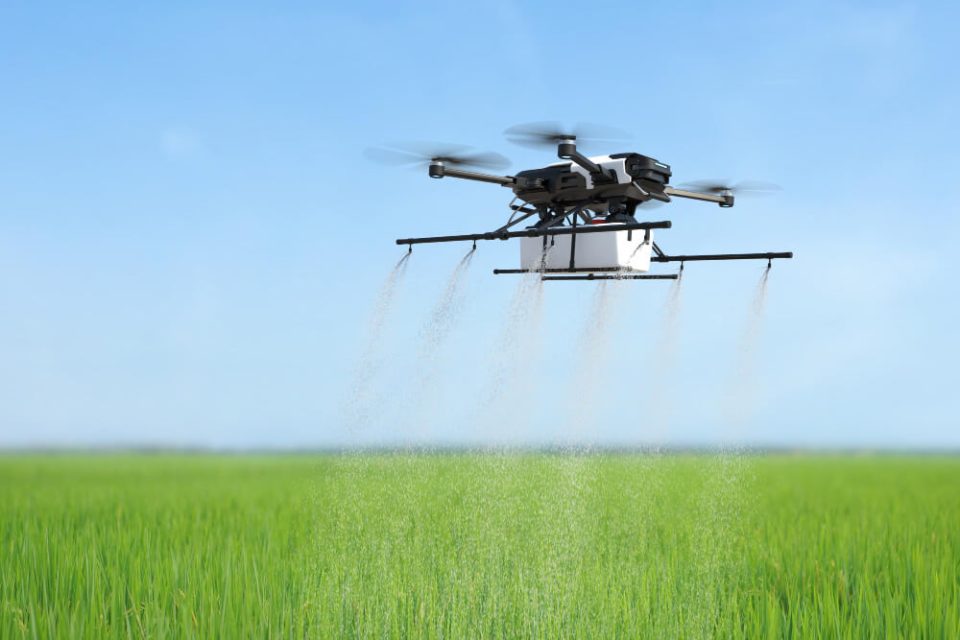
Farming across Western Australia is becoming increasingly unpredictable, with hotter summers, lower rainfall, and tightening water restrictions putting real pressure on growers. In regions like the Wheatbelt and outer Perth metro, efficient water use is no longer a luxury – it’s essential. This is where automated irrigation systems are changing the game. By using smart…
-

How to Install Electric Fencing Safely According to Australian Standards
Electric fencing can be safe, humane and effective when it’s planned and built to the rules. Australia calls up AS/NZS 60335.2.76 for the safety of energisers, with extra guidance on signage, crossings and powerline clearances. If you’re also upgrading water on the property, many households review garden layouts and residential irrigation systems at the same…
-

Beyond Agriculture: Surprising New Uses for Bird Netting in Urban Construction & Solar Farms
Australia’s orchards have long relied on bird netting to protect ripening fruit, yet the same lightweight mesh is now turning up on city skylines and solar installations. Growing urban density, tightened work-health-and-safety rules, and the surge in renewable energy have all pushed designers to rethink a product once confined to rows of peach and fruit…
-

Bird Netting vs. Spikes vs. Reflective Tape: Which Bird Deterrent is Right for You?
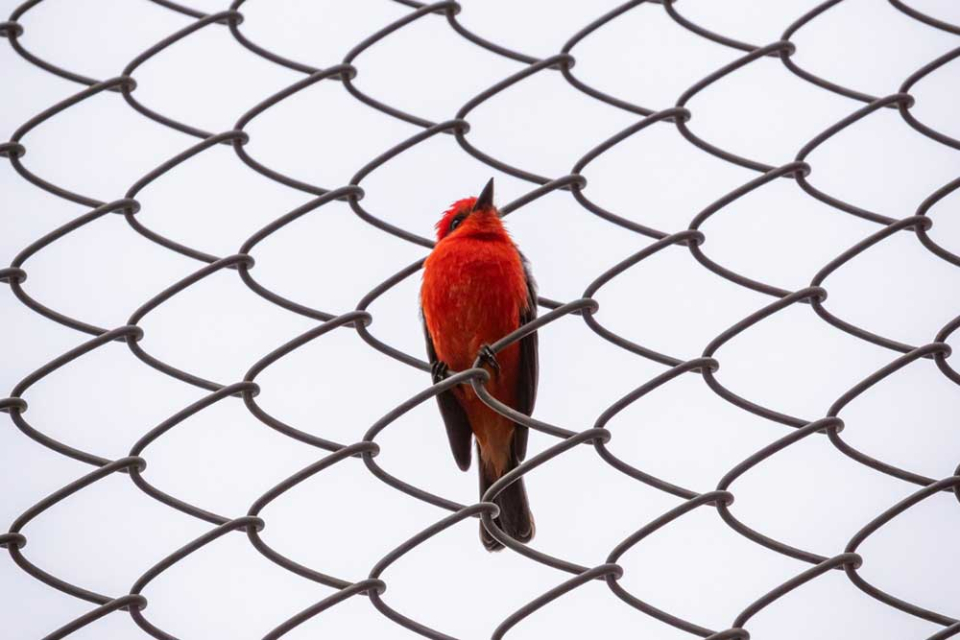
Birds bring life to paddocks and orchards, but they can be tough on irrigation systems, water storage and ripening fruit. Droppings contaminate tanks and work areas, clog filters, and spread disease. Pecking damages seedlings and soft fruit. The right deterrent should keep birds out without harming them, protect infrastructure, and deliver value across multiple seasons.…
Got any book recommendations?