Month: July 2025

  • Here’s How Welded Mesh Improves Modern Agriculture Efficiency

    Here’s How Welded Mesh Improves Modern Agriculture Efficiency

    Efficiency is the heartbeat of modern farming. Agriculture experts are always seeking innovative ways to protect valuable assets, encourage amazing growth, and maximise every inch of land. Welded mesh, today, is becoming a remarkably versatile asset and an absolutely critical tool across all sorts of farming tasks. Here are some ways welded mesh is acting as a versatile asset that takes agricultural efficiency to the next level.

    The Basics of Welded Mesh

    So, what exactly is it? Welded wire mesh forms when individual wires intersect and get welded together at regular points using resistance spot welding techniques. This creates a strong, interconnected structure that is robust and resists deformation.

    The incredible strength comes from treating the whole mat as a single unit, not just tied bars. This powerful bond between wires ensures superior durability, holding up even under heavy loads or tough conditions.

    Key Ways Welded Mesh Boosts Agricultural Efficiency

    1. Ensuring Safety and Reducing Losses with Robust Enclosures

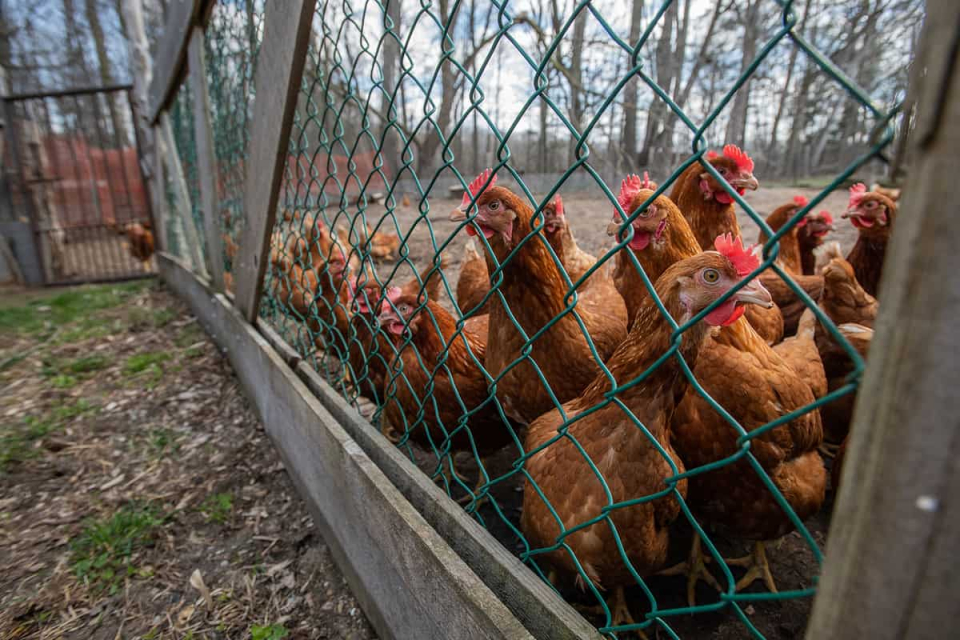
    Keeping animals safe is job number one for livestock farmers. Welded mesh fencing gives them seriously durable perimeter solutions for everything from cattle and horses to other large animals. It secures these animals from predators and helps keep them away from hazardous areas. The uniform spacing also prevents injuries. You can pick the exact mesh size to ensure animal safety and great ventilation.

    If pest control and predator protection are your priority, farmers often combine chainwire fencing Perth with vermin mesh to safeguard their livestock and produce effectively.

    2. Protecting Crops and Maximising Yield

    Young crops face threats from pests, weather, and more. Welded mesh acts as a brilliant protective barrier for gardens and greenhouses, creating controlled environments where plants can absolutely flourish. The physical barrier that keeps pests out and cuts down on crop damage also prevents larger pests, birds, and other critters from ruining crops.

    In regions where sudden weather changes and hail can damage crops, combining hail netting Perth with steel mesh structures gives farmers a reinforced layer of protection.

    This fantastic barrier significantly cuts down on financial losses. By keeping pests and animals off the farmland, it drastically reduces damage to crops and boosts both crop yield and quality.

    3. Providing Structural Support for Climbing Crops

    Welded wire mesh serves as trellises, cages, and support panels for crops like tomatoes, cucumbers, peppers, small melons, pole beans, snap peas, and even flowers. This vertical growth lets plants use sunlight better, which increases yield. It also helps plants avoid ground contact, cutting down on disease and keeping fruits clean.

    Using welded mesh for support efficiently uses space and really maximises yields by encouraging upward growth. You can use it for popular trellising methods like Tomato Cages, A-Frames, and Panel Trellising. These structures are fantastic because they are reusable and create very little waste.

    4. Supporting Sustainable Farming Practices

    Taking care of the soil is essential for maintaining fertile land. Welded mesh helps build retaining walls and terracing on slopes. This prevents soil erosion, keeps vital nutrients in the soil, and stops land degradation.

    Aquaculture, or fish farming, also benefits from welded mesh for tanks and cages. Its strength in different conditions ensures long life and reliability, which is absolutely key for efficient fish farming.

    5. Streamlining Farm Management and Operations

    Time is money, and welded mesh saves both. Welded mesh panels are so easy to install, which seriously cuts down on construction time and labour costs compared to older fencing methods. You just unroll mats or place panels and secure them. This simple process allows for faster project completion and contributes to efficient agricultural production.

    It is also incredibly flexible and customisable. You can tailor it to fit any farmland shape or size. This lets farmers divide different areas (crops, livestock, storage) making smart use of the land, reducing waste, and maximising efficiency.

    6. Good Long-Term Investment

    Welded mesh is super durable and means way less maintenance. This reduces the need for frequent replacements and slashes maintenance costs. Galvanised mesh can last a great 10–15 years with care, while stainless steel can go for over 20 years. Investing in steel mesh Perth options gives them long-term value and peace of mind.

    To protect your property even further, electric automatic gates are worth considering.

    Selecting the Right Welded Mesh for Agricultural Needs

    Choosing the perfect mesh is crucial for getting the best results.

    • You need to pick the right mesh size and wire thickness based on what you need it for.
    • For security or stopping predators, you might need a smaller mesh or thicker wire. Animal cages need specific sizes for safety and airflow.
    • Trellising needs a size that works for the plants.
    • In pest-prone areas, adding vermin mesh to your setup can offer sufficient protection against smaller animals and rodents.

    An Essential Investment for Productive Agriculture

    Welded mesh truly boosts agricultural efficiency in so many exciting ways! It provides enhanced safety, amazing crop protection, fantastic structural support, and supports sustainable practices. Talk to a reputable supplier like Rural Fencing & Irrigation Supplies if you require premium welded mesh for your farming needs.

  • Chicken Runs & Avian Flu: Why Overhead Bird Netting Is Now a Must for Backyard Flocks

    Chicken Runs & Avian Flu: Why Overhead Bird Netting Is Now a Must for Backyard Flocks

    Australians have embraced backyard poultry for fresh eggs and a slice of rural life in the suburbs. Yet the 2025 H7N8 bird-flu detections near Euroa, Victoria, served as a pointed reminder that disease can arrive on the wing with little warning. Authorities ordered larger flocks to be housed at once, signalling a tougher line on biosecurity for all keepers — small or large.

    Wild birds: the unseen visitors over every pen

    Waterfowl and many migratory species carry avian influenza with few outward signs. They shed the virus in saliva, mucus and—most importantly for chook owners—droppings that fall onto yards, roofs and feed trays. Once dried, even a gust of wind can lift contaminated dust into a coop. For suburban and regional flocks that roam under the open sky, the risk is constant during migration seasons.

    Government guidance points straight to exclusion netting

    Federal and state agriculture departments now list “protective netting” as one of the first steps in keeping domestic birds apart from their wild counterparts. The advice is simple: keep feed and water under cover and put a physical barrier between poultry and overhead traffic.

    How an overhead net changes the equation

    Good mesh stops faecal matter and feathers before they land, limits perching spots for starlings and pigeons, and discourages raptors that might otherwise spook the flock. Studies of commercial sheds show that 19 mm to 25 mm mesh excludes most problem species without trapping them, provided it is tensioned and checked each season.

    Backyard layouts differ, but the principle is the same: cover the run from gable-to-gable, angle the sides where practical, and make sure the net sits high enough for keepers to walk under comfortably. A light frame of conduit or timber battens usually does the job for up to six chooks.

    Selecting the right fabric for Australian sun and wind

    Netting sold for grapes or fruit tree netting is often rebadged for poultry. Look for UV-stabilised high-density polyethylene (HDPE) with knotted joins; it copes with Perth’s summer radiation far better than cheap monofilament products. A shade factor around 20 % adds welcome relief for birds on scorching afternoons while still allowing airflow.

    The same fabric is widely marketed as Outdoor bird netting, which means it has already been tested against hail, cockatoos and coastal winds. That extra durability saves money over time, because a torn roof is no roof at all.

    Installation pointers that pay off

    • Height first – set ridge ropes no lower than 1.8 m so you can rake litter without stooping.
    • Tension second – run a galvanised wire perimeter and cable-tie the mesh every 300 mm.
    • Inspection schedule – walk the roof weekly; mend holes before sparrows find them.
    • Feed hygiene – place feeders under cover and clear spilt grain each evening to avoid attracting wild birds.

    Remember that netting works best alongside tidy yards. Long grass, puddles and uncovered compost heaps still lure waterfowl and ibises that can drop infected faeces near your birds.

    Beyond disease control: hidden benefits

    Shade from the Bird netting bulk mesh lowers heat stress, improves shell quality and keeps yolks vibrant through summer. The net also blocks aerial predators; goshawks and crows lose their attack routes and often move on within days. For keepers focused on sustainability, one fabric can protect both chooks and stone fruit, reducing the need for separate garden covers.

    Finding supplies without the run-around

    Type “bird netting near me” into your preferred search engine and you will notice local stockists pop up faster than ever. Demand from hobby farmers means even suburban hardware chains now carry suitable mesh, while specialist stores ship statewide within 48 hours. Country freight depots will hold consignments, so regional customers are not disadvantaged.

    Customers comparing Bird netting perth prices should factor in UV grade, mesh weight and warranty rather than headline cost alone. A slightly dearer net that lasts seven summers is cheaper per year than a budget roll that splits after two.

    A small roof with a big payoff

    Chook ownership was once carefree; birds roamed lawns unimpeded. The arrival of virulent avian-flu strains has altered that picture. Overhead bird netting transforms an open run into a controlled environment that keeps wild faeces out, cools the ground and calms the flock. The investment is modest, the installation is weekend work, and the result is peace of mind every time migratory birds fly over. Rural living in the backyard was never meant to be stressful—tight mesh overhead helps keep it that way.